

This spring, icy rain and violent winds kept me inside for many a day, here along the shore of Lake Michigan; rain, cold, sporadic clearing, repeat. What’s important is the sporadic clearing. There were some decent days, here and there. In those fleeting times, I jumped at the opportunity to get out for a good day of work on Reverie. After a winter of ferocious gales it became a “beggars can’t be choosers” situation. I found myself going out in weather that was less than ideal but, conversely, less than tempestuous.
It’s like being out on an extended cruise; you realize you’ll never get anywhere if you wait for ideal conditions and, sooner or later, find yourself sailing in weather you never would have imagined. This cool, wet weather was great for tulips, though, and we’ve been enjoying a wonderful display of colors provided by the city of Holland making the Tulip Time Festival a spectacular one.
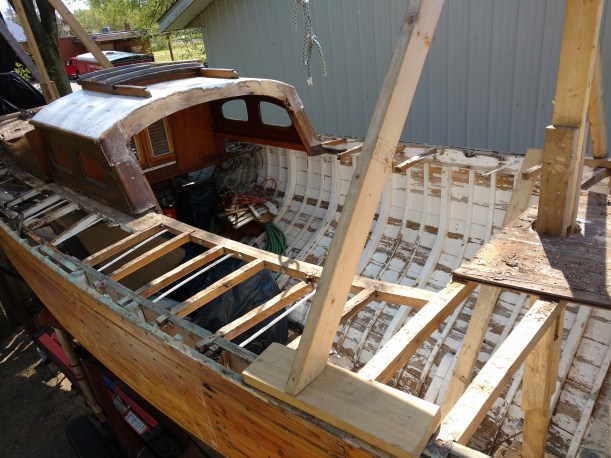
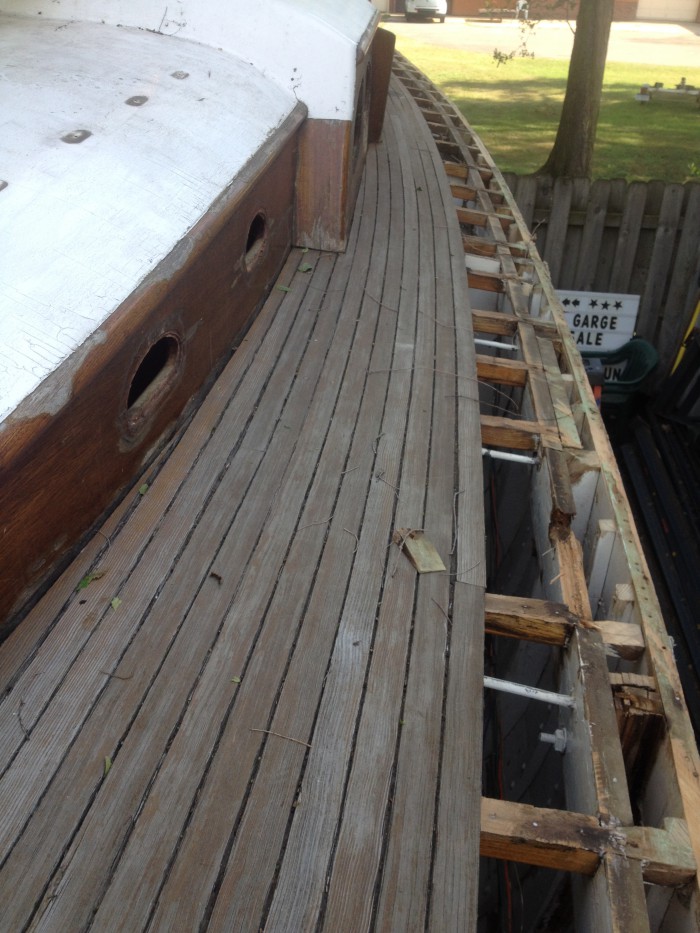
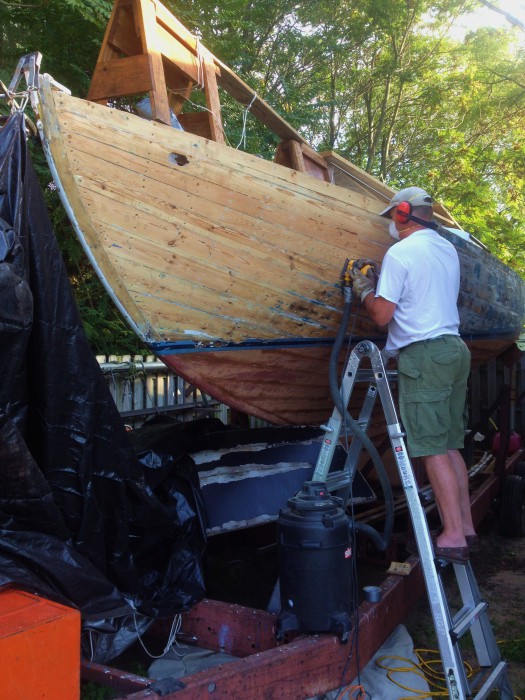
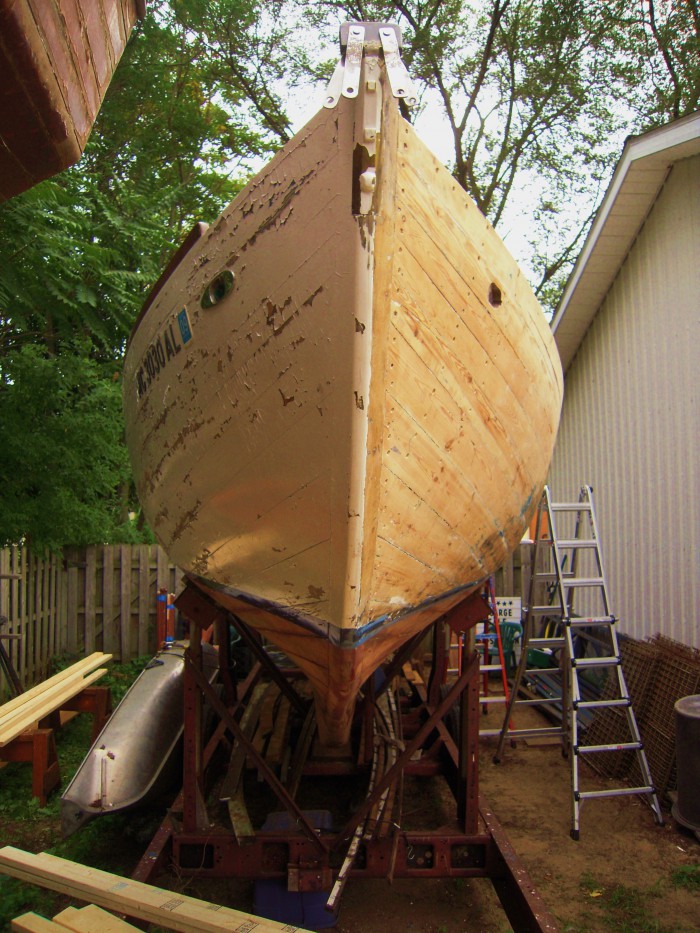
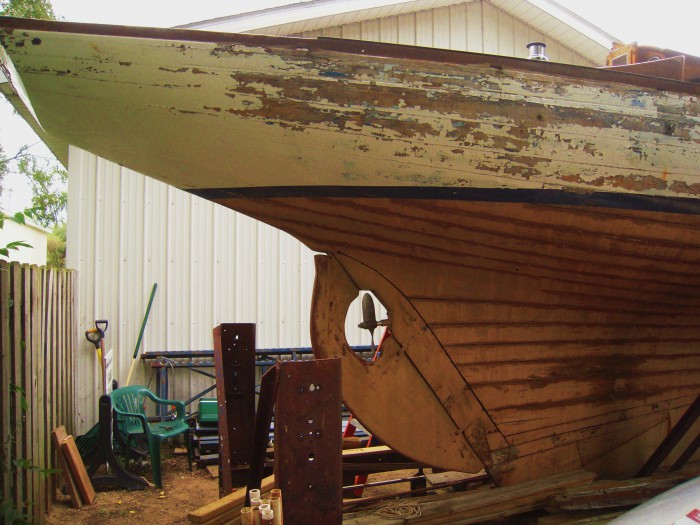
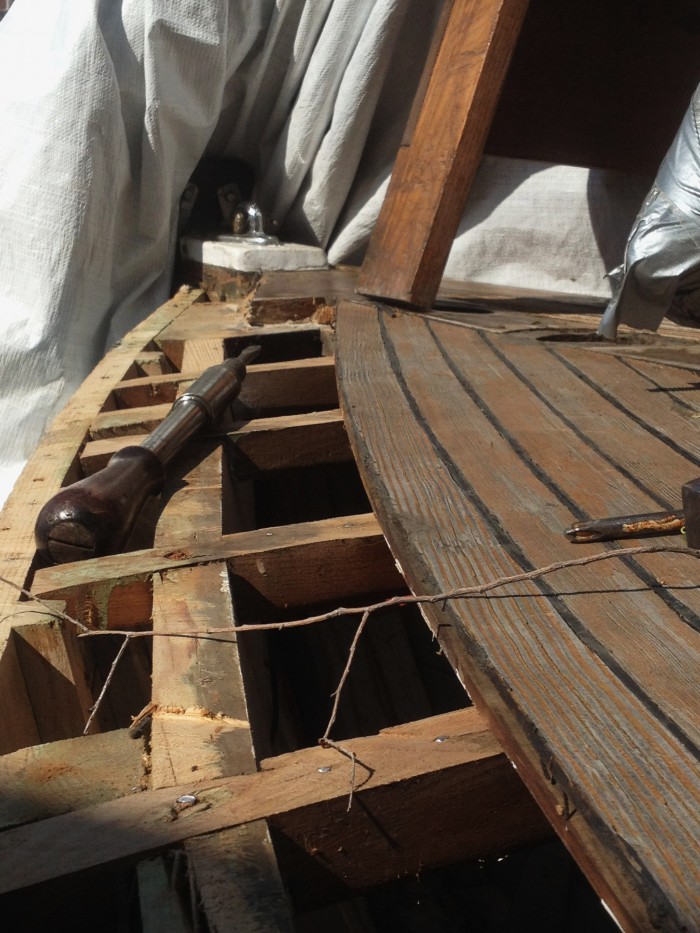
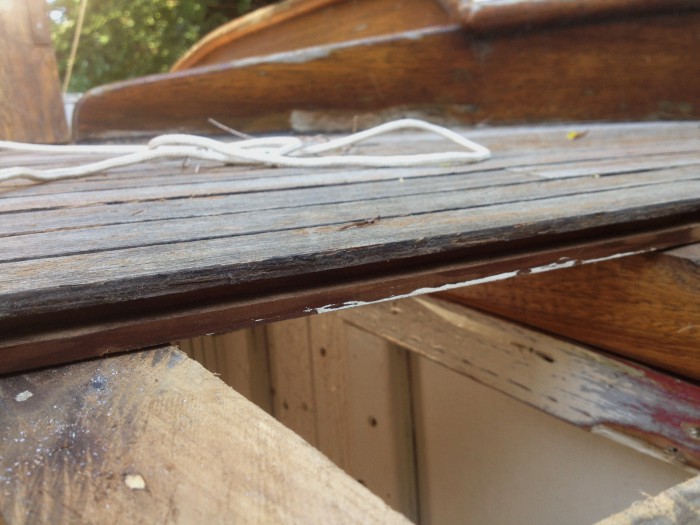
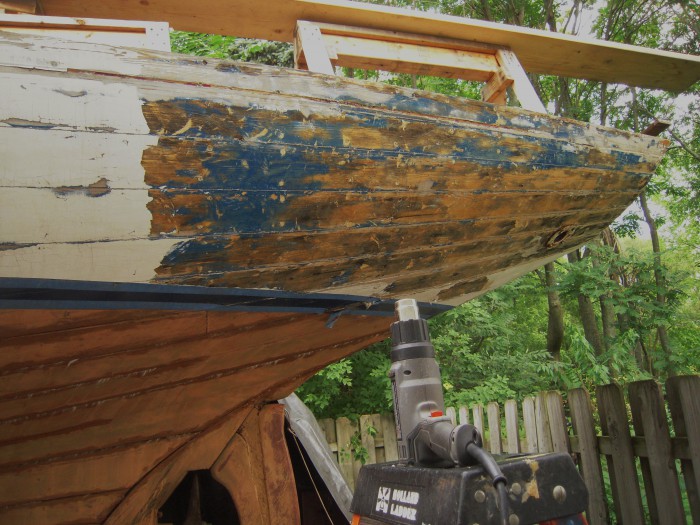
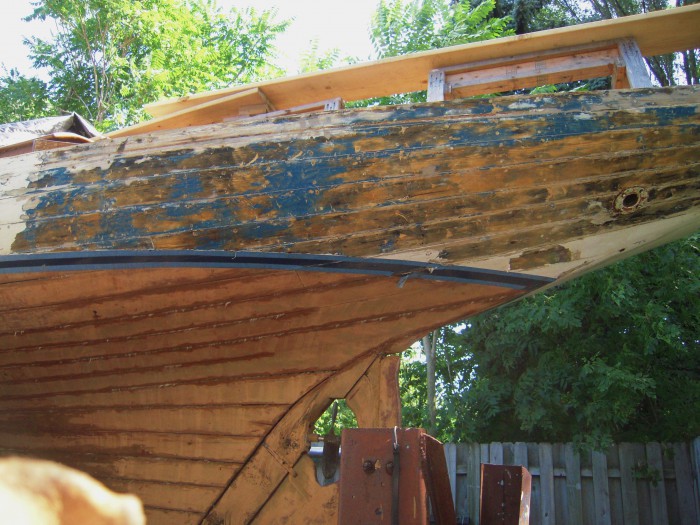
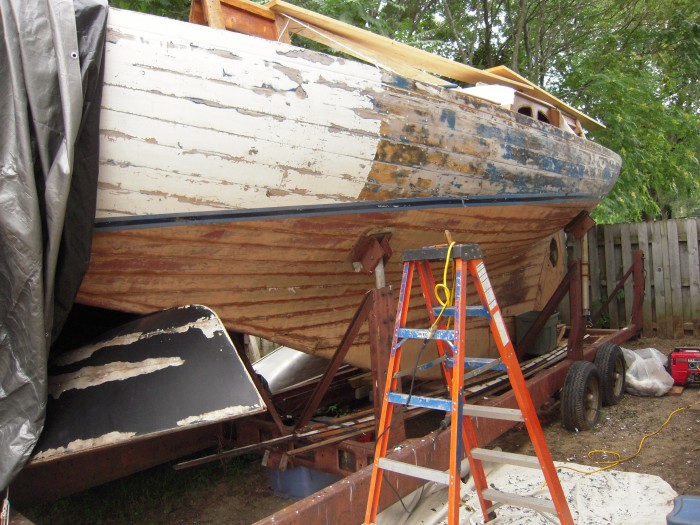
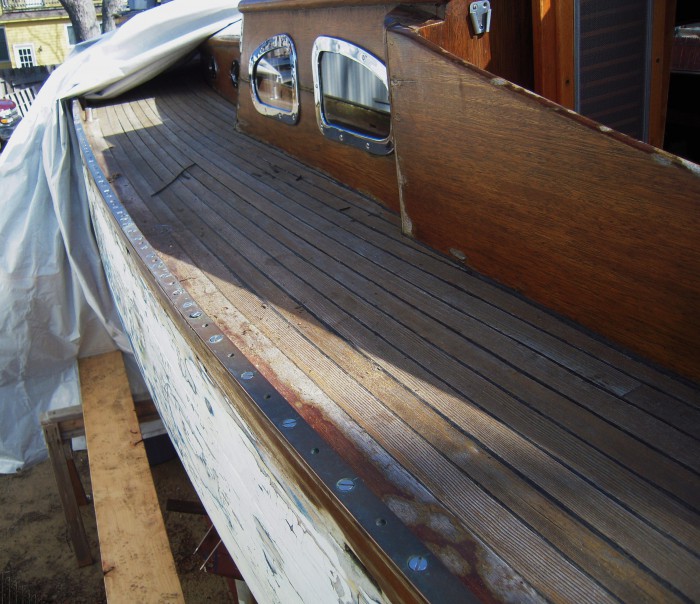
The time I managed to get some boat work in was quality time. I was a relentless force of deconstruction. The multi tool and sawzall got put through their paces and the deck is now completely removed with half the cabin top removed, as well. The hands on work aboard Reverie has taken a leap forward but new challenges revealed themselves during the dismantling. That, dear reader, is for the next blog entry. This entry is about getting a handle on things and that we did.
One of this past winter/spring projects was to get all the tools tuned up and ready for use. Over the years, more than a few tools have arrived at “Roger’s Home For Wayward Tools” that were missing their handles or lacking in some other respect. They needed a little help to get them in working order.
There was that 1-1/2 lb. ball-peen hammer we would need for riveting the frames. There was that handsome Dayton pattern ax that had had its head secured with several large, hex head machine screws hammered over like clench nails; its handle also needed stripping and sanding (with the added benefit of erasing the name of the former owner proudly scrawled in bold, black marker). There was also a hewing ax that was missing its handle but would soon be put to service. It was time to get a handle on things.
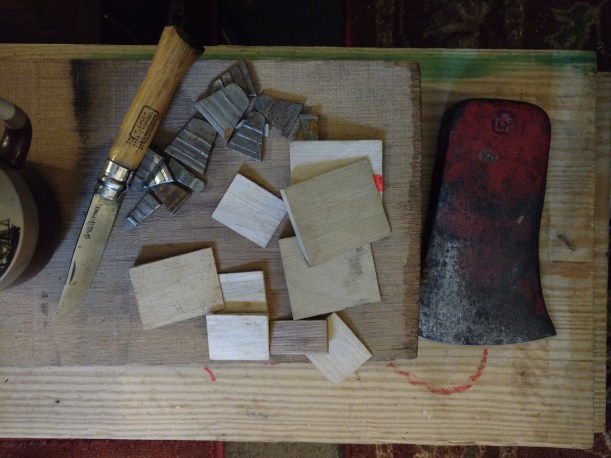
Picking out the right wedge for the Council Tools Dayton pattern ax that needed its handle reset.

A fine old hewing ax head getting a soak in vinegar and salt to remove the century of rust that hid its true personality.
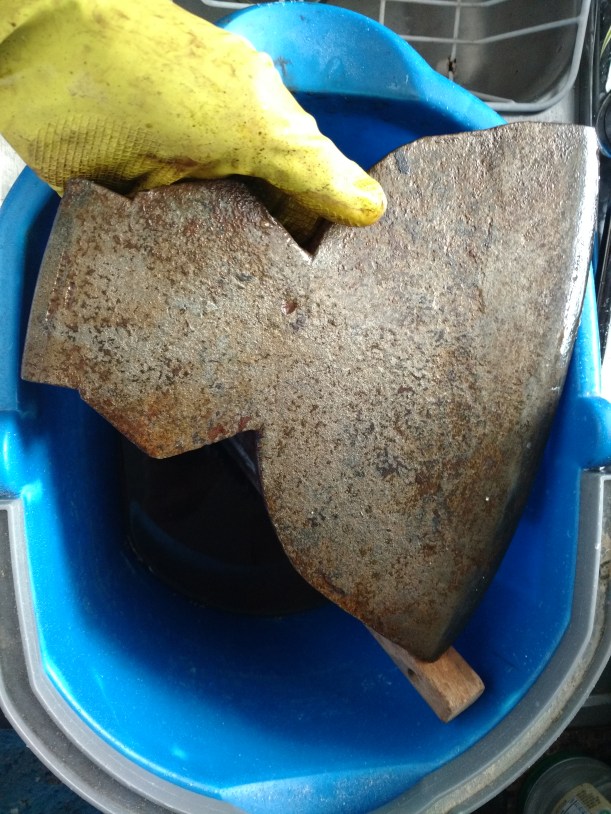
A finishing soak in baking soda and water to neutralize the acid and salt bath. The blade still had a very sharp edge for being knocked about so many years. Hand hammered forge marks and the folded cutting edge are apparent. “And what, pray tell, do you need a hewing ax for?”, you ask. More on why we need a hewing ax in the next post. Stay tuned.
Almost all of my chisels were in need of having their handles reset and some quality time on the Japanese waterstones. Many of the blades needed to be hollow ground and lapped. Hollow grinding is where you take the beveled side of the blade and run it over a grindstone to remove the middle of the bevel. This means less of the blade touches the honing surface. Lapping is the process of making the flat side of the chisel completely flat. This may not seem important but, avoid this process at your own peril; it’s an absolute necessity.
Most notable among the arsenal of chisels was the 2 inch wide timber slick. A slick is a large chisel used where a substantial amount of wood needs to be worked such as in timber framing or working on the backbone of a wooden boat. For years, I used it occasionally but now am finding it necessary to use for some serious work ahead. It had a broken old handle that I had reshaped and used awkwardly so I never really got to use it to its true potential. Getting a handle on this beast is going to make less work in the long run and justify all the work I put into shaping a new handle.
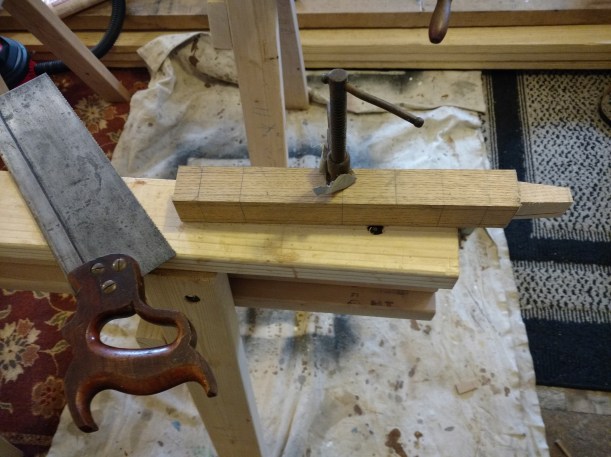
Here’s the white oak blank for the chisel handle with the tang fitting cut out using a fine-tooth Disston backsaw. The backsaw was sold by the T.B. Rayl Co. which sold tools in downtown Detroit.
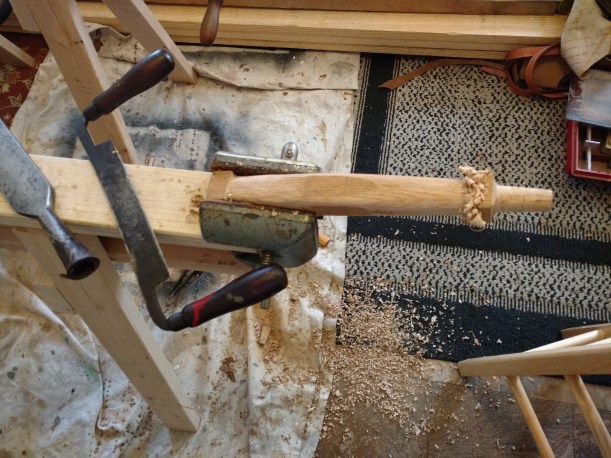
The handle taking shape thanks to the razor sharp draw knife made by the Ohio Tool Co. It’s one of my favorite tools. I’ve left the splatter of red paint on the handle to remind me of the trip to the emergency room that would be required if it were grabbed by the blade. .
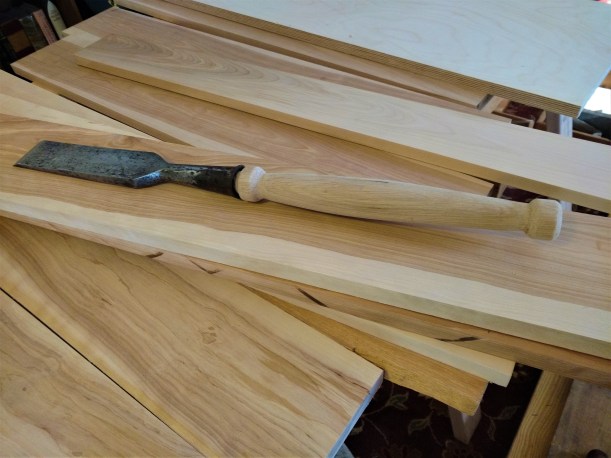
The handle getting its first fitting on the slick. Pencil lines on the handle are preserved to keep things uniform right until it’s finished. Being able to use this tool two-handed is imperative. The worldly slick, with its handle, is 23-1/2 inches long.
It feels good to get some of these old tools back in working order and on to a life of continued use. Quite often, preparation is the most time consuming aspect of any job. Having all your ducks in a row may seem tedious and even unnecessary when they seem to hardly relate to the task at hand but prepare, we must.
Having usable axes and hammers with sturdy handles along with sharp chisels that cut fine, paper thin slices of wood is truly worth the effort because they save time and are safer to use than tools that are just “good enough”. Sometimes, only the best will do. I’m happy to have this out of the way and on to more boat work. There’s no need to shake one’s fist at the weather when it’s not agreeable. There’s always something to do.























 Restoring Reverie